
Regional Capability Ecosystems
Building the Conditions for Competitive Regions
The Regional Capability Ecosystem initiative aims to align employers, education systems, and workforce development organizations to strengthen talent development and regional competitiveness. We are seeking to launch an employer-led pilot beginning in Oldham County to refine the model and invite organizations interested in helping shape this effort to participate.
Stakeholder Groups:
Why Workforce Development Often Falls Short
In many regions, workforce initiatives struggle because the system is fragmented.
Employers often feel disconnected from education programs.
Schools lack clear signals about evolving industry needs.
Workforce organizations operate programs without strong feedback from employers.
The result is predictable:
• talent shortages persist
• students struggle to navigate career pathways
• employers underinvest in workforce development
• regional competitiveness suffers
A regional capability ecosystem addresses this by aligning the systems that influence talent development.
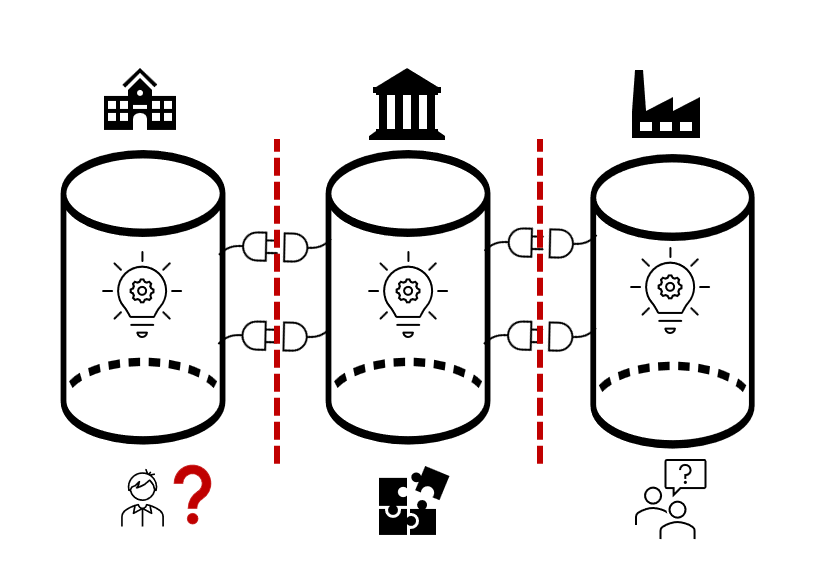
The Three Core Nodes of the Ecosystem
A strong regional capability ecosystem connects three critical systems:
Employers
Employers sit at the center of the ecosystem because their organizations ultimately determine how work is performed, what capabilities are required, and how people develop within the workplace. The systems, expectations, and culture inside companies shape both the demand for talent and the opportunities available for workers.
Their operational systems help define:
→ What skills and competencies are needed
→ How work is organized and performed
→ How problems are solved and processes improved
→ How people are developed on the job
→ How supervisors and leaders guide improvement
→ How talent grows within the organization
Companies that build mature systems of operational excellence and continuous improvement become more productive, more competitive, and better able to develop talent internally. Strong operational systems also create environments where employees can grow their capabilities over time rather than simply filling a role. As employer capability strengthens, demand for skilled people increases and new opportunities emerge for students, workers, and the broader regional economy.
Education Systems
Education systems play a critical role in preparing students to navigate career pathways and develop the competencies needed in the modern workforce. Schools help students progress through a development pathway that typically moves from early career awareness toward the skills and experiences required for successful employment.
This pathway often includes stages such as:
→ Career Awareness
→ Foundational Competencies
→ Career Exploration
→ Informed Career Decisions
→ Practical Application
→ Workforce Readiness
When schools have a clear understanding of employer capability needs, they can better align learning experiences, career pathways, and work-based learning opportunities with the realities of the regional economy. This alignment helps ensure that students graduate not only with academic knowledge, but with practical skills, confidence, and a clearer understanding of career opportunities.
Workforce & Economic Development Infrastructure
Workforce boards, economic development organizations, and state programs play an important role in supporting regional talent development. These institutions provide funding, coordination, and resources that help communities respond to workforce challenges and economic opportunities.
When these organizations are closely connected to employers and education systems, their efforts become far more effective. A shared system allows workforce programs to reflect real economic needs, align investments with regional priorities, and support initiatives that strengthen both employers and the broader labor market.
Through stronger alignment, workforce and economic development organizations can help ensure that training programs, talent pipelines, and economic development strategies reinforce one another and contribute to long-term regional competitiveness.
The Missing Piece: A Coordination Layer
Most regions already have employers, schools, and workforce organizations.
What is often missing is the operating system that connects them.
The Regional Capability Ecosystem provides a coordination layer that helps the system function as a whole.
This layer helps:
• translate employer capability needs into workforce competencies
• support collaboration between employers and education systems
• connect regional workforce programs to real economic needs
• facilitate shared learning across organizations
• continuously improve how the ecosystem functions
Importantly, this coordination does not replace existing institutions.
Each organization maintains its authority and responsibilities while benefiting from stronger alignment.
This is a demonstration model. Click for full resolution
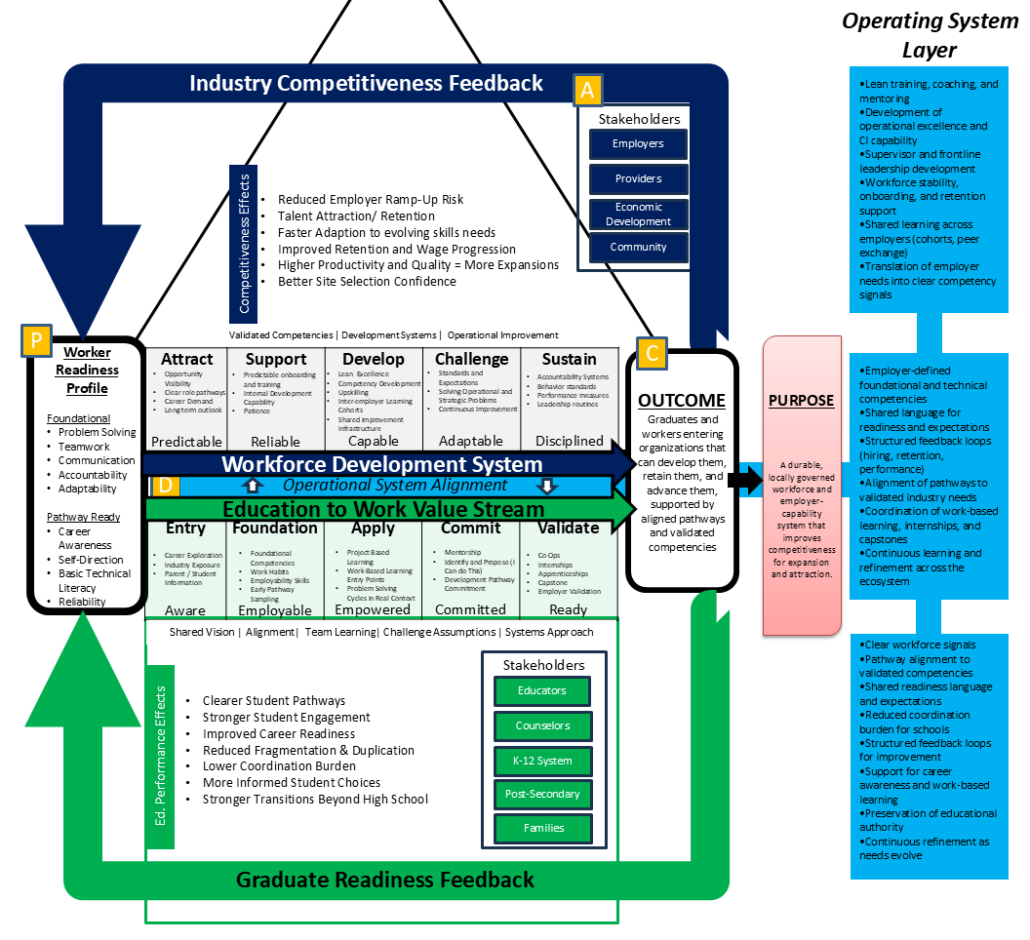
Employers Are Central
The ecosystem works only when employers are deeply engaged.
For companies, participation provides benefits far beyond workforce recruiting.
Employers gain access to:
• operational excellence training and development
• shared learning with other companies
• collaboration with education partners
• improved talent pipelines
• a stronger regional business environment
As companies strengthen their internal systems, they become more productive, more competitive, and better able to develop talent.
This creates a multiplier effect across the entire ecosystem.
Employer Capability is a Multiplier
Many workforce strategies focus only on producing talent.
But regional competitiveness also depends on the capability of the companies that employ that talent.
Organizations that build strong systems of operational excellence and continuous improvement:
• become more productive
• create better jobs
• develop people more effectively
• attract additional investment
As employer capability improves, the entire regional ecosystem becomes stronger.
This is why the ecosystem places employers at the center and focuses on strengthening their operational systems.
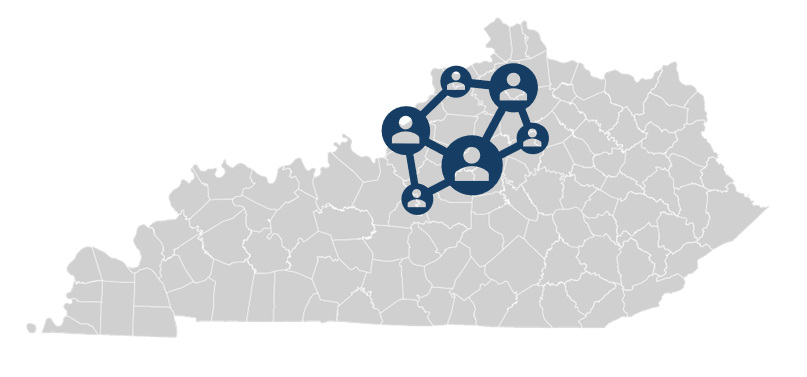
Organized Through a Regional Consortium
The ecosystem is organized through the Kentucky Cabinet for Economic Development’s BSSC Consortia, a group of regional employers working together to strengthen capability across the region.
• share the cost of consulting and development
• participate in operational excellence training
• learn from other companies’ improvement efforts
• collaborate with education partners
• influence the development of workforce pathways
This model ensures the ecosystem remains employer-led while enabling meaningful collaboration across the region.
How the Ecosystem Works
The ecosystem functions as a continuous feedback loop connecting employers, education, and workforce infrastructure.
-
Employers strengthen their operational systems and clarify capability needs
-
These needs are translated into workforce competencies and career pathways
-
Education systems align programs and work-based learning opportunities
-
Workforce organizations support the system through programs and funding
-
Students and workers move into meaningful employment opportunities
As companies and institutions learn from experience, the system continuously improves.
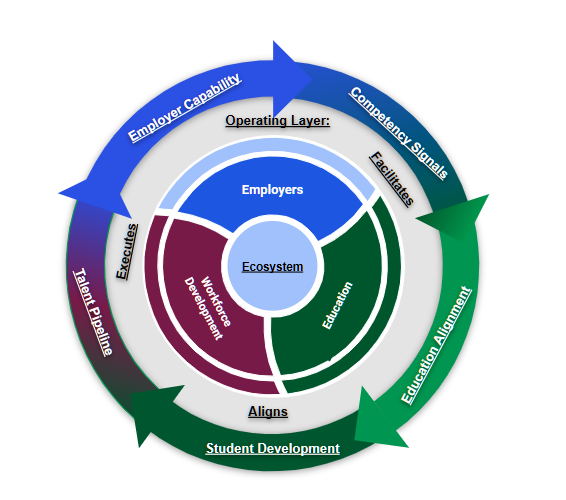

A System That Learns and Improves
Like any Lean system, the ecosystem itself is designed to continuously improve.
Feedback loops between employers, educators, and workforce organizations help the region constantly adjust to changing economic conditions and capability needs.
Over time, the region becomes better at:
• developing talent
• strengthening companies
• attracting new employers
• adapting to economic change
The result is a regional competitive advantage that compounds year after year.
Who Participates in the Ecosystem
The ecosystem is designed for organizations committed to strengthening regional capability.
Participants include:
- Employers
- Education systems
- Economic development organizations
- Workforce development institutions
- Community partners
Each participant plays a role in strengthening the region’s ability to develop talent and support competitive businesses.
Initial Goal: Successful Pilot
The Regional Capability Ecosystem is being launched through pilot initiatives beginning in Oldham County and expanding across the Kentuckiana region.
Rather than attempting large-scale implementation immediately, the approach is to:
• start with a focused group of employers and education partners
• learn through practical implementation
• refine the model
• expand to additional counties and industries
This learn-as-we-go approach ensures the ecosystem evolves based on real experience.
Explore Further
Join the Ecosystem
The Regional Capability Ecosystem is designed for organizations that want to help build a stronger and more competitive region.
Employers, educators, and community partners are invited to participate as the system continues to develop and expand.
Together, we can build a region where:
• companies continuously improve
• students are prepared for meaningful careers
• communities become stronger and more resilient